
Avocado Production
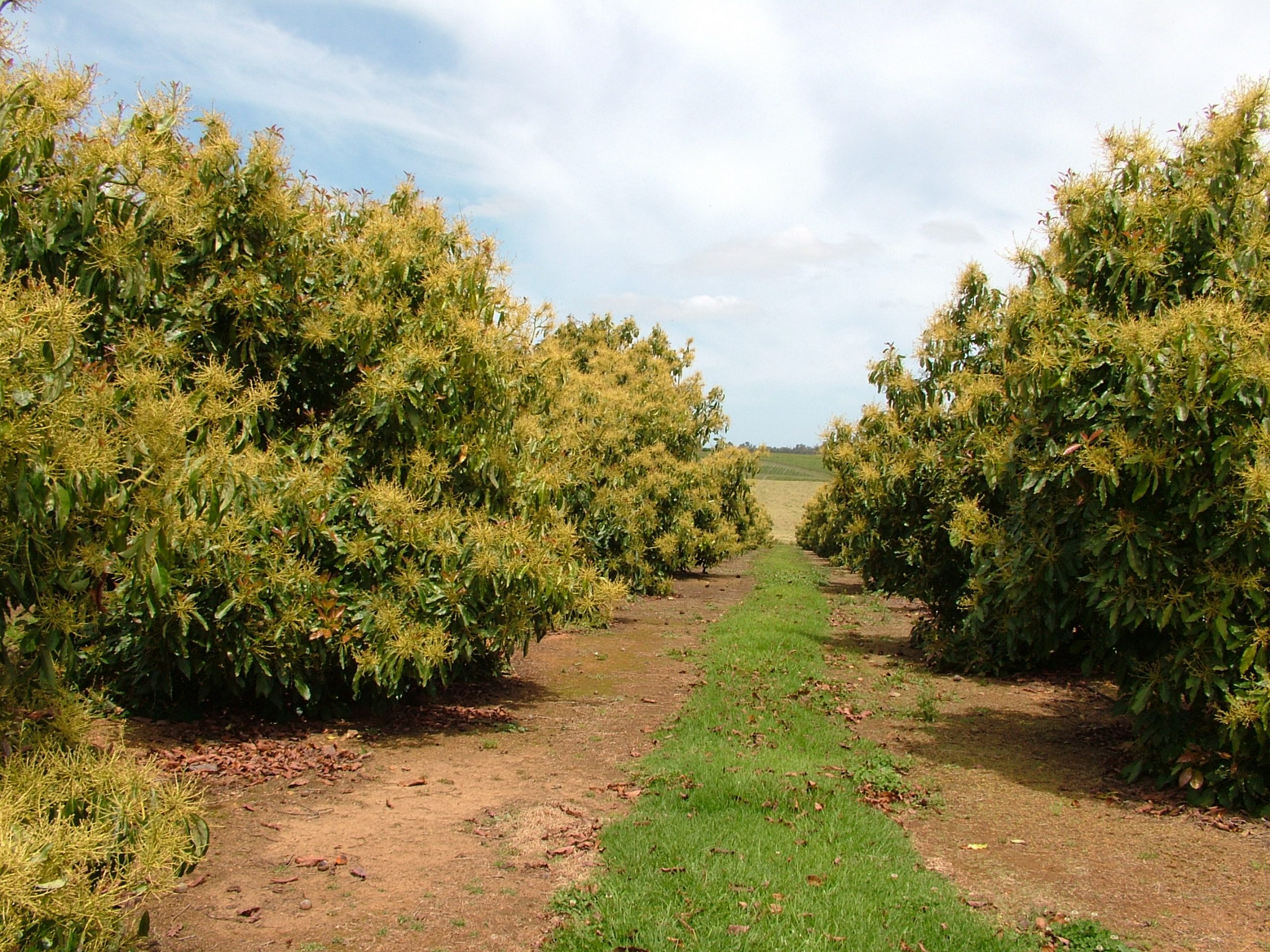
Hass avocado farming has become the major project many farmers are undertaking in the country due to its high profit margin currently and in the future. The fruit being referred to as the Golden fruit. However, most farmers are not acquainted with the necessary information regarding Hass avocado growing till the production phase. Avocados are sensitive in terms of management hence the farmers should involve professionals in the production cycle. Professionalism refers to doing things right from the start that is; selection of quality and certified bodies, planting procedure, general cultural practices such as Fertigation, pest and disease management, pruning, harvesting and post-harvest handling of the produce.
Management practices are critical at every stage to boost the general production. The following practices are recommended to farmers;
- Site selection
Avocados do well in drained soils with an altitude of 1000m-2500m asl with moderate temperatures of 180c – 250c. Avoid waterlogged conditions since hass avocado are susceptible to root rot.
- Planting
Dig a hole 2ftx2ftxft and separate the topsoil with subsoil. During planting mix, the top soil with well decomposed manure and earthlee and return the mixture first in the hole to almost full. Make a small hole and put the seedling at the center, cover with the soil to the level of the soil nursery. Cover the seedling to make a ridge to allow water to flow free after irrigation. Water the seedling in the evening after planting.
- Staking
This is essential to develop the tree leader early to establish the pyramid shape which is desirable in hass avocado production.
- Irrigation
This is the crucial practice in the production phase. Before a farmer commences their projects they should give a priority on a clean source of water suitable for farming.
In avocado production, irrigation should be done 2-3 times a week depending on rainfall pattern. Excess watering should be avoided to prevent the root rot menace.
- Mulching
This refers to the practice of placing grass straws around the tree to conserve the soil moisture. Mulches also decompose adding organic matter into the soil improving the soil structure, aeration, texture etc.
- Weeding
Refers to the removal of foreign or unwanted plants around the field to minimize nutrients competition. Intercropping is encouraged for land utilization and nutrient balancing in the soil.
- Pruning
Refers to removal of extra branches to create and develop a good framework with maximum production. Usually done after first harvesting (3years). However, nipping is usually done in the first two years.
- Pest and disease management
This is the most crucial stage in crop development. Every farmer is required to start early monitoring for pests and diseases to identify controls through Integrated Pest Management.
Farmers require much knowledge in pest and disease management and hence should involve agricultural experts in their projects.
Project Details
- Location : India
- Venue : Ooty
- Project : Rabbit Farming